Driveway Pressure Washing in Jacksonville, FL
Driveway pressure washing removes dirt, tire marks, algae, oil, grease, and weather buildup from driveways. Professional cleaning helps restore a brighter appearance while using the right pressure and cleaning method for concrete, pavers, asphalt, and other driveway surfaces in Jacksonville. Take a look at our other services as well.
Can Pressure Washing Damage a Driveway?
Yes, improper pressure washing can damage some driveway surfaces. Too much pressure, holding the nozzle too close, or using the wrong nozzle can cause surface etching, marks, joint damage, or other problems. Asphalt and older or damaged surfaces require particular care.
A safer approach is to:
- Choose the correct pressure for the surface
- Use the appropriate nozzle
- Keep a consistent distance from the surface
- Avoid concentrating water in one spot
- Use a surface cleaner on suitable flat surfaces
- Pre-treat difficult stains when necessary
- Check for cracks and damaged areas before cleaning
Professional cleaning is about using enough pressure to remove buildup without unnecessarily stressing the driveway.
Driveway Types We Clean
Different driveway materials respond differently to pressure washing.
Concrete Driveways
Concrete is one of the most common residential driveway materials. It can collect dirt, tire marks, algae, mildew, oil, and other stains. A surface cleaner and controlled pressure can provide more even results than cleaning with a wand alone. Heavier stains may require a suitable degreaser or additional treatment.
Paver and Block Driveways
Pavers can collect dirt and organic growth between joints. Pressure washing can clean the surface and remove buildup from many joint areas. Care is important because excessive pressure can disturb joint material or damage older pavers. After cleaning, you may need to replace joint sand, depending on the driveway's condition.
Asphalt Driveways
Asphalt requires a different approach from concrete. Excessive pressure or aggressive cleaning can damage the surface or loosen material. Lower pressure and proper technique are generally more appropriate for asphalt. Oil and grease stains may also require a suitable cleaning product rather than relying on pressure alone.
Resin-Bound Driveways
Resin-bound surfaces can be more sensitive to aggressive pressure washing. Adjust the cleaning method to protect the resin and aggregate. A lower-pressure approach and suitable cleaning products may be preferable depending on the surface condition and manufacturer's recommendations.
Removing Common Driveway Stains
Oil and Grease
Oil can penetrate porous concrete, making complete removal difficult. A suitable degreaser can help break down the stain before pressure washing. Older stains may not disappear completely after one treatment.
Rust
Rust stains can require a specialized rust-removal product. Standard pressure washing alone may not completely remove deeply embedded rust.
Algae and Organic Growth
Algae and other organic buildup can develop in damp or shaded areas. Appropriate cleaning solutions combined with controlled pressure can help remove the growth.
Dirt and Tire Marks
General dirt and tire marks are often easier to remove from concrete with surface cleaning and suitable water pressure.
Driveway Pressure Washing Equipment
Professional driveway cleaning involves more than simply pointing a pressure washer at the ground.
PSI and GPM
PSI means pounds per square inch and measures water pressure. GPM means gallons per minute and measures water flow. Higher PSI does not automatically mean better cleaning. A combination of suitable pressure, water flow, nozzle selection, cleaning solution, and technique produces better results.
Nozzle Selection
| Nozzle Type | Typical Use |
|---|---|
| 0° | Very concentrated stream; generally avoided on driveway surfaces |
| 15° | Heavy-duty cleaning on suitable surfaces |
| 25° | General surface cleaning |
| 40° | Lighter cleaning and more delicate areas |
| Surface cleaner | Even cleaning across large flat areas |
A professional should select the nozzle based on the material and condition rather than using one setting for every driveway.
Surface Cleaners
A surface cleaner is a round attachment with rotating spray arms underneath. It cleans large, flat areas more evenly than a standard wand. It can also reduce visible striping that may occur when you move a wand across a concrete driveway.
Detergents and Degreasers
Some stains need more than water pressure. Degreasers can help break down oil and grease. Other cleaning solutions may be used for organic buildup such as algae and mildew. Use a product appropriate for the surface and follow the instructions.
How to Pressure Wash a Driveway
The exact process varies by surface, but a typical driveway cleaning follows these steps.
Inspect the Surface
Start by checking the driveway material, age, condition, cracks, loose areas, and existing damage.
Remove Loose Debris
Sweep away leaves, dirt, stones, and other loose material.
Pre-Treat Stains
Oil, grease, algae, and other stubborn stains may require a suitable cleaning solution before pressure washing.
Apply Controlled Pressure
Use the appropriate nozzle and pressure for the driveway material. Avoid holding the spray too close to the surface.
Use a Surface Cleaner
For suitable flat surfaces, a surface cleaner can provide more consistent coverage across the driveway.
Rinse Thoroughly
Remove remaining dirt and cleaning solution while directing runoff toward an appropriate drainage area.
Check the Results
Look for remaining stains, missed sections, or areas that need additional treatment.
Driveway Cleaning Safety Checklist
Before pressure washing a driveway:
- Check the surface for cracks and loose sections.
- Remove vehicles and outdoor items.
- Keep children and pets away from the work area.
- Protect nearby plants when necessary.
- Check drainage and runoff paths.
- Use appropriate protective equipment.
- Keep electrical equipment away from standing water.
- Avoid directing high pressure toward people, animals, windows, or vehicles.
- Use cleaning chemicals as directed on the label.
Safety matters because pressure washers can cause injuries and property damage when handled incorrectly.
How to Prepare Your Driveway for Pressure Washing
A little preparation makes the cleaning process easier.
- Move vehicles from the driveway.
- Remove toys, tools, furniture, pots, and other objects.
- Sweep away loose dirt and debris.
- Identify oil, grease, rust, algae, or other problem areas.
- Check cracks and damaged sections.
- Protect nearby plants and sensitive surfaces.
- Make sure water has a suitable path to drain.
If the driveway has heavy staining, identifying those areas before cleaning helps determine whether additional treatment is needed.
Common Driveway Pressure Washing Mistakes
Avoid these common mistakes:
Using Excessive Pressure
More pressure can cause damage rather than better cleaning.
Holding the Nozzle Too Close
A concentrated spray held close to the surface can leave marks or etch certain materials.
Using the Wrong Nozzle
Different nozzles produce different spray patterns and cleaning intensity.
Ignoring Surface Damage
Pressure washing can make existing cracks, loose areas, or damaged sections more noticeable.
Cleaning Without Treating Difficult Stains
Oil, grease, rust, and organic growth may need pre-treatment.
Cleaning Without Considering Runoff
Manage water and cleaning products responsibly to reduce runoff into areas where it could cause problems.
Should You Seal Your Driveway After Cleaning?
Sealing can help some driveway materials, but it isn't required after every cleaning.
A suitable sealer may help protect certain surfaces from moisture, staining, weather exposure, and general wear. The correct product depends on the driveway material. Clean the surface properly and let it dry sufficiently before sealing.
How often should you reseal? No single schedule fits every driveway. Traffic, weather, surface type, sealer, and product instructions all affect how long protection lasts. Inspect the surface periodically and reseal when needed.
Seasonal Driveway Cleaning in Jacksonville
Jacksonville's warm and humid climate can contribute to dirt and organic buildup on outdoor surfaces.
During wetter periods, shaded driveway areas may stay damp longer. This can encourage algae and other organic growth, particularly where sunlight is limited.
Regular inspection is useful throughout the year. Cleaning when buildup becomes noticeable can help keep the driveway looking maintained rather than waiting until heavy staining develops.
How Much Does Driveway Pressure Washing Cost?
Driveway pressure washing prices vary based on several factors, including:
- Driveway size
- Material
- Level of dirt and staining
- Oil or grease buildup
- Organic growth
- Accessibility
- Additional stain treatment
- Sealing or other requested services
A small driveway with light dirt will generally require less work than a large driveway with heavy staining and organic buildup. The most accurate price comes from assessing the actual driveway rather than relying on a standard price for every property.
How Often Should You Pressure Wash Your Driveway?
For many residential driveways, cleaning about once a year can be a useful maintenance schedule.
However, there is no universal schedule. Jacksonville's humidity, rainfall, shade, traffic, and surrounding trees can affect how quickly buildup returns. A driveway may need cleaning more often if it gets heavy traffic or builds up quickly. Properties with lighter use may be able to go longer between cleanings.
Signs Your Driveway Needs Cleaning
Instead of following a fixed schedule, check the driveway's actual condition. Signs that it may be time for cleaning include:
- Dark or discolored areas
- Visible oil or grease marks
- Green organic growth
- Heavy surface dirt
- Slippery areas after rain
- Stains that affect the property's appearance
- Noticeable buildup around edges and joints
Cleaning before buildup becomes severe can make maintenance easier.
DIY Driveway Pressure Washing vs. Professional Cleaning
You can pressure wash a driveway yourself, but the equipment and technique matter.
DIY cleaning may suit someone who understands the equipment, surface type, pressure settings, and safety requirements. Professional cleaning can be useful when the driveway has stubborn stains, large areas, delicate materials, difficult access, or existing surface damage.
The biggest advantage of proper professional cleaning is not simply higher pressure. It is choosing the appropriate cleaning method for the surface and problem.
Environmental Considerations
Driveway cleaning creates wastewater containing dirt, oils, cleaning products, and other contaminants. Responsible cleaning includes:
- Using only the necessary amount of cleaning solution
- Preventing unnecessary runoff
- Protecting nearby plants
- Considering local drainage
- Following applicable wastewater and chemical-handling requirements
Select cleaning methods with the surrounding property and drainage conditions in mind.
Why Jacksonville Homeowners Trust Us with Their Driveway
A locally owned pressure washing company built on clear pricing, careful work, and reliable scheduling for Jacksonville homes and businesses.
More Residential Services
Explore our other exterior cleaning services for Jacksonville homes.
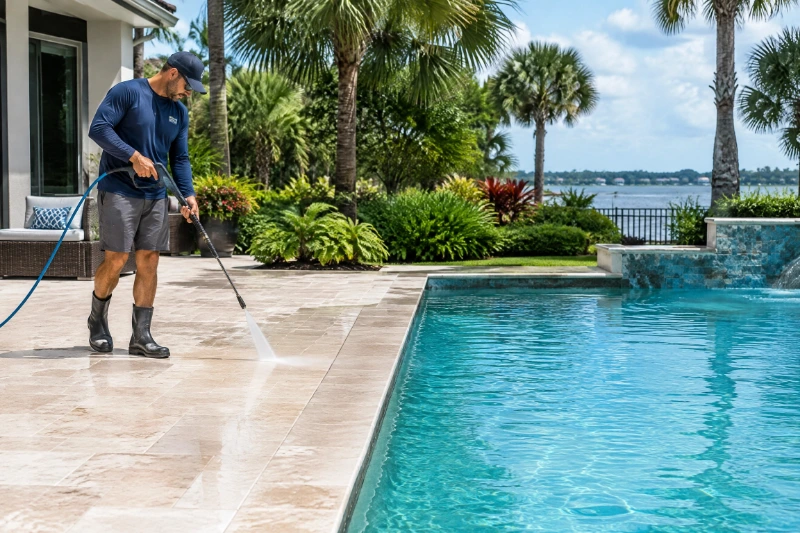
Pool Deck Cleaning
Pool decks face water, dirt, and outdoor buildup. Cleaning helps keep the area looking well-maintained.
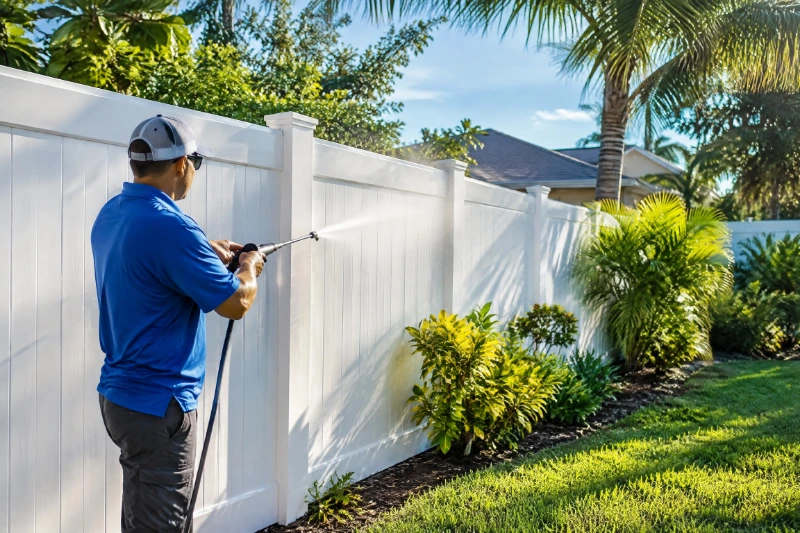
Fence Pressure Washing
Fence surfaces collect dirt, algae, and weather-related buildup. The right method helps refresh their appearance.
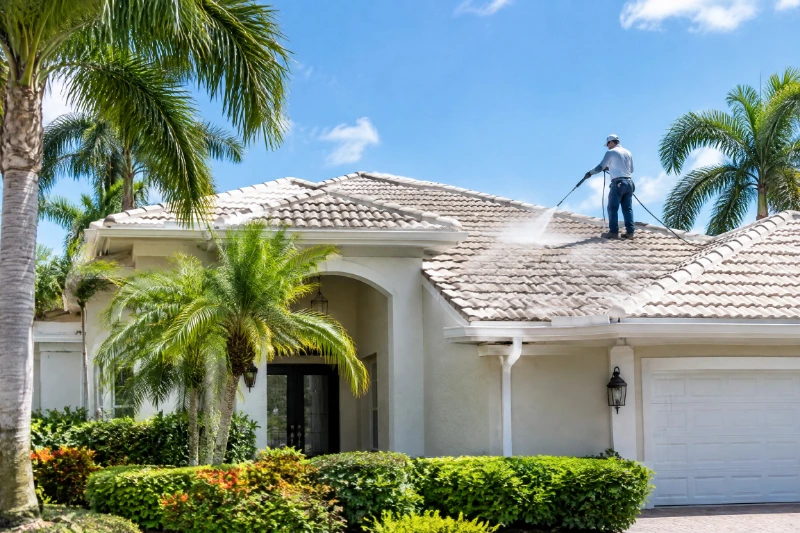
Roof Soft Washing
Roof surfaces can develop organic growth and discoloration. Soft washing is used for suitable roof materials.
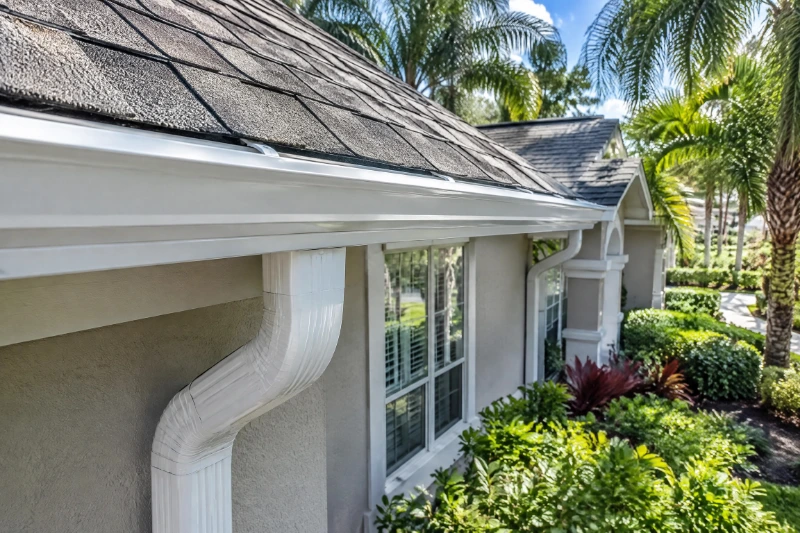
Gutter Cleaning
Leaves, pine needles, dirt, and other debris can collect inside gutters and downspouts. Gutter cleaning removes this buildup and helps keep the drainage system working properly.
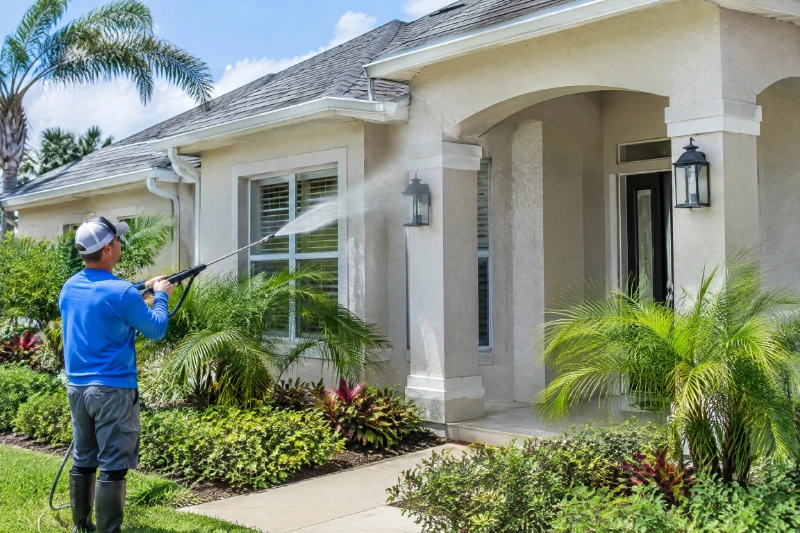
House Washing
Exterior walls collect pollen, dust, mildew, algae, and general outdoor grime. House washing cleans suitable siding, brick, stucco, and other exterior materials using the appropriate method.
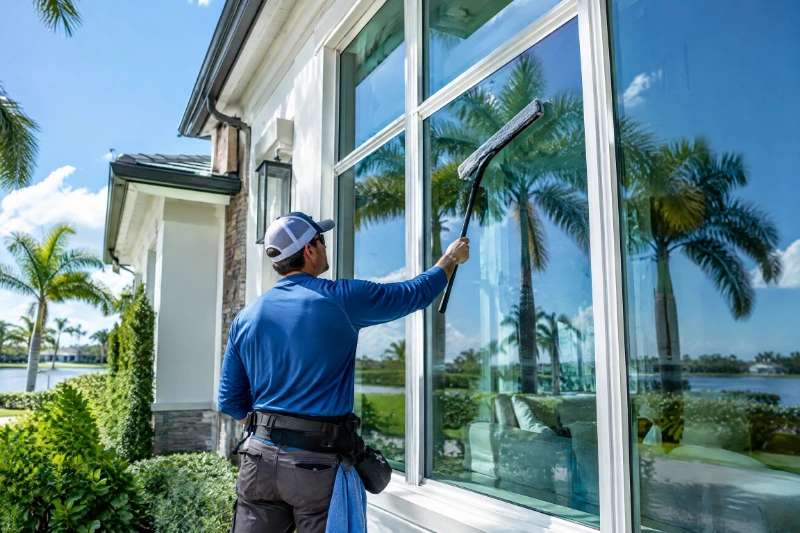
Window Cleaning
Exterior windows can collect pollen, dust, water spots, and other residue. Professional window cleaning helps improve glass clarity and the appearance of the home's exterior.
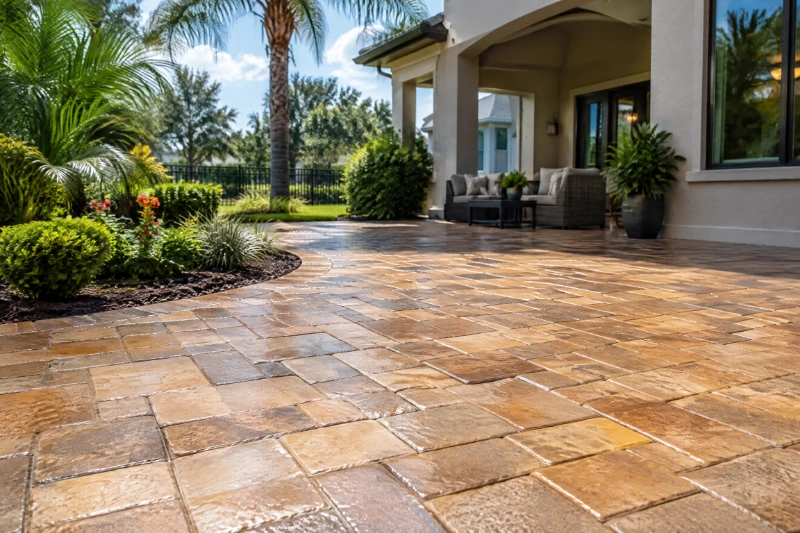
Paver Sealing
Paver sealing protects suitable paver surfaces after proper cleaning and preparation. It can help maintain color, reduce moisture absorption, and protect joint sand.
Driveway Pressure Washing FAQ
How long does driveway pressure washing take?
Most residential driveways can be cleaned in about 1–3 hours, depending on size, material, condition, stains, and buildup.
Can I pressure wash a driveway myself?
Yes. However, using excessive pressure or the wrong nozzle can damage some surfaces. Match the equipment and cleaning method to the driveway material.
What PSI is safe for a driveway?
No single PSI is safe for every driveway. Concrete can generally tolerate more pressure than asphalt or delicate surfaces. The correct setting depends on the material, age, condition, and cleaning requirements.
How soon can I park on the driveway after cleaning?
After cleaning, allow the driveway to dry completely before parking. Drying time depends on weather, sunlight, humidity, and drainage. If the driveway has been sealed, follow the sealer manufacturer's recommended curing time before parking on it.
Get Your Jacksonville Driveway Cleaned
Restore your driveway’s look with a fast, free pressure washing estimate.
Request your free estimate today