
Fence Pressure Washing in Jacksonville, FL
A fence is exposed to rain, humidity, dirt, pollen, insects, and outdoor debris throughout the year. Fence pressure washing can remove surface dirt, green buildup, mildew, and weather-related staining — using the right method for the material. Fence cleaning is part of the full lineup at Jacks Exterior Cleaning.
In Jacksonville, warm temperatures and humid conditions can also encourage algae, mildew, and other organic growth, especially on fences in shaded areas. However, not all fences are made of the same material. Vinyl, wood, composite, chain-link, aluminum, and wrought iron each require a different cleaning approach.
Using excessive pressure or the wrong nozzle can damage a fence. The safest method is to match the water pressure, cleaning solution, and technique to the material being cleaned.
Can Pressure Washing Damage Your Fence?
Yes. Pressure washing can damage a fence when the equipment or technique is unsuitable for the material. Too much pressure can strip wood fibers, damage paint, remove protective coatings, bend thin metal, or leave marks on vinyl and composite materials.
Common causes of fence damage include:
- Using excessive PSI
- Holding the Nozzle Too Close
- Using a narrow spray pattern
- Spraying Wood Against the Grain
- Spending too long in one area
- Using unsuitable cleaning chemicals
- Allowing cleaning solution to dry on the surface
- Failing to test an unfamiliar surface first
The goal is not to use the highest possible pressure. Use enough cleaning power to remove the buildup without damaging the fence.
Power Washing vs. Pressure Washing
The terms power washing and pressure washing are often used interchangeably, but there is a technical difference.
Pressure washing normally uses pressurized water without adding heat. Power washing uses pressurized water that can also be heated. Hot water can help with certain types of grease, oil, and heavy grime.
For most residential fence cleaning, however, the cleaning method depends more on the fence material and type of buildup than on water temperature. For a typical fence, controlled pressure and an appropriate cleaning solution matter more than simply increasing water pressure or temperature.
Fence Materials and How Cleaning Differs
The fence material should determine the cleaning method.
Vinyl Fence
Vinyl fences can collect dirt, pollen, algae, mildew, and dark marks. Vinyl generally does not require extremely high pressure. A wider spray pattern and controlled distance can clean the surface without leaving pressure marks. Cleaning solutions can help loosen organic growth before rinsing.
Wood Fence
Wood requires the most attention because excessive pressure can damage the fibers. When cleaning a wood fence:
- Use lower pressure than you would on durable concrete
- Keep the nozzle moving
- Maintain a consistent distance
- Avoid concentrating the spray in one spot
- Follow the direction of the wood grain
- Test an inconspicuous area first
Old, soft, cracked, or weathered wood may need an even gentler cleaning method.
Composite Fence
Composite fencing can usually be cleaned with a controlled, lower-pressure approach. Don’t assume composite materials can tolerate the same pressure as concrete. Manufacturers may have specific cleaning recommendations, especially for textured or coated products.
Chain-Link and Metal Fence
Chain-link fences can collect dirt, pollen, cobwebs, and organic growth. Metal fences can generally tolerate more pressure than wood, but thin or damaged sections can still be bent or affected by concentrated spray. Painted or coated metal requires additional care because aggressive cleaning can damage the finish.
Aluminum and Wrought-Iron Fence
Clean aluminum and wrought iron with attention to their finish and condition. Identify rust, oxidation, peeling paint, and corrosion before cleaning. High-pressure water can worsen existing damage or remove loose coatings.
Equipment You’ll Need
A basic fence-cleaning setup can include:
- Pressure washer
- Appropriate spray nozzles
- Garden hose
- Cleaning solution
- Soft or medium surface brush
- Pump sprayer when appropriate
- Protective equipment
- Plastic sheeting or covers for sensitive nearby items
Pressure and Nozzle Selection
No single PSI is safe for every fence. A general approach:
| Fence Material | Cleaning Approach |
|---|---|
| Wood | Low pressure and wider spray pattern |
| Vinyl | Low to moderate pressure |
| Composite | Low to moderate pressure |
| Chain-link | Moderate pressure as appropriate |
| Aluminum | Low to moderate pressure |
| Wrought iron | Controlled pressure based on finish and condition |
Adjust pressure based on the fence’s age, condition, coating, and buildup. A wider nozzle generally spreads water over a larger area and is less aggressive than a narrow spray pattern.
Cleaning Solutions for Fence Washing
Water pressure alone may not remove organic growth or stubborn buildup. A suitable cleaning solution can help loosen dirt, algae, mildew, and other contaminants before rinsing.
For light household cleaning, a mild detergent solution may be sufficient. For heavier mildew or organic growth, a product specifically intended for that type of buildup may work better.
Avoid mixing cleaning chemicals. Some combinations can produce dangerous fumes or unwanted chemical reactions. Always follow the product label and consider the fence material before applying a cleaning solution.
Do you need a degreaser? A degreaser is useful when the fence has oil, grease, or similar residue. Most residential fences do not need a strong degreaser for ordinary dirt or algae. Using a stronger product than necessary can create unnecessary risk to the fence finish and surrounding landscaping.
Fence Pressure Washing Safety Precautions
Pressure washers can cause injuries and property damage. Before cleaning:
- Wear eye protection and appropriate footwear
- Keep children and pets away from the work area
- Never point the spray toward people or animals
- Check the pressure washer and hoses for damage
- Avoid electrical hazards and standing water
- Keep the nozzle under control
- Protect nearby plants when using cleaning solutions
- Avoid spraying directly into electrical components
- Follow chemical product instructions
Take additional care around gates, hinges, locks, outdoor electrical equipment, and delicate landscaping.
How to Prepare Your Fence for Cleaning
Good preparation helps prevent accidental damage.
- Clear the area — Move furniture, decorations, tools, toys, and other items away from the fence.
- Protect landscaping — Protect plants and flowers near the fence from excessive spray and cleaning products.
- Inspect the fence — Look for cracks, loose boards, rot, broken sections, peeling paint, rust, loose fasteners, and damaged posts. Pressure washing will not repair structural problems.
- Test a small area — Test the cleaning method on a less visible section before washing the entire fence, then check the surface after cleaning to confirm the pressure and solution are appropriate.
How to Pressure Wash a Fence
Apply the Cleaning Solution
Work in manageable sections, not more area than you can rinse before the solution dries.
Allow the Solution to Work
Give the cleaner enough time to loosen dirt and organic buildup, as directed on the product label. Do not allow the solution to dry on the fence.
Start With Lower Pressure
Begin with a gentler setting and increase cleaning power only when necessary. This is especially important for wood, painted surfaces, older fences, and delicate finishes.
Keep the Nozzle Moving
Don’t hold the spray in one spot. Use steady, overlapping passes to produce more even cleaning.
Follow the Wood Grain
When cleaning wood, spray with the grain. Avoid forcing water across the grain because this can raise or damage wood fibers.
Rinse Thoroughly
Rinse away loosened dirt and cleaning solution, paying attention to areas behind posts, around gates, and near the ground.
Inspect the Fence
After rinsing, check for remaining buildup and areas that may need additional treatment.
Common Mistakes That Damage Fences
Using Too Much Pressure
High pressure can damage wood, coatings, vinyl, and delicate surfaces.
Using the Wrong Nozzle
A narrow spray can concentrate too much force on a small area.
Spraying Wood Against the Grain
This can raise wood fibers and leave the surface rough.
Holding the Nozzle Too Close
Getting too close increases the force hitting the surface.
Leaving Cleaner on Too Long
Some cleaning products can stain, dry, or damage a surface if you don’t rinse them off as directed.
Skipping the Test Area
A small test section can reveal problems before the entire fence is cleaned.
Ignoring Existing Damage
Identify rotten wood, loose boards, rust, and damaged coatings before washing.
Alternatives to Pressure Washing
Pressure washing is not the only way to clean a fence.
- Soft washing — Combines low-pressure water with a suitable cleaning solution. Useful for organic buildup when you don’t need high pressure.
- Hand scrubbing — A soft brush and suitable cleaner can work well for small sections or delicate surfaces.
- Low-pressure rinse and brush — For older wood or sensitive finishes, gentle rinsing combined with brushing can provide more control than high-pressure cleaning.
The best method depends on the fence’s material and condition.
After Cleaning: Staining and Sealing a Wood Fence
Cleaning can prepare a wood fence for staining or sealing, but the wood must be sufficiently dry first.
A stain can add color and help protect the wood from weather exposure, and a suitable sealer can provide protection against moisture and outdoor conditions. Do not apply stain or sealer immediately after washing while the wood is still damp.
How long should you wait before staining? Drying time depends on wood type, fence condition, temperature, humidity, sunlight, air movement, and recent rainfall. Follow the stain manufacturer’s moisture and application requirements rather than relying on a fixed number of hours.
How Often Should You Pressure Wash a Fence?
No universal schedule exists for fence cleaning. For many Jacksonville properties, annual inspection and cleaning when buildup becomes noticeable can be a practical maintenance approach.
A fence may need cleaning sooner when it is:
- In constant shade
- Near trees
- Exposed to frequent moisture
- Surrounded by dense landscaping
- Showing recurring algae or mildew
- Located in an area with heavy pollen or debris
The fence’s condition matters more than following a strict calendar.
Signs Your Fence Needs Cleaning
Look for visible changes rather than waiting for heavy buildup:
- Green or dark organic growth
- Black or gray discoloration
- Heavy pollen buildup
- Dirt and dust accumulation
- Mildew spots
- Cobwebs and surface debris
- Faded or dirty-looking vinyl
- Stains on painted or coated surfaces
If organic growth is left on the surface for long periods, the fence may require more intensive cleaning.
DIY vs. Professional Fence Cleaning
Fence cleaning can be a DIY project when the fence is small, accessible, and in good condition. Professional cleaning can be a better option when the property has a large fence, delicate materials, extensive organic growth, difficult access, or an older surface.
The biggest DIY risks are using excessive pressure, choosing the wrong cleaning solution, damaging wood fibers, and failing to protect nearby plants. Professional cleaning focuses on selecting the appropriate pressure and cleaning method for the fence material.
How Much Does Fence Pressure Washing Cost?
Fence pressure washing costs vary based on the fence’s size and condition. Factors that affect the price include:
- Total fence length
- Fence height
- Material
- Amount of dirt and organic growth
- Accessibility
- Existing stains
- Fence condition
- Cleaning method
- Additional staining or sealing
A short vinyl fence with light dirt requires less work than a long wood fence covered in algae and mildew. For an accurate estimate, we evaluate the fence based on its actual size, material, condition, and cleaning needs.
Why Jacksonville Homeowners Choose Us for Fence Cleaning
A locally owned pressure washing company built on clear pricing, careful work, and reliable scheduling for Jacksonville homes and businesses.
More Residential Services
Explore our other exterior cleaning services for Jacksonville homes.
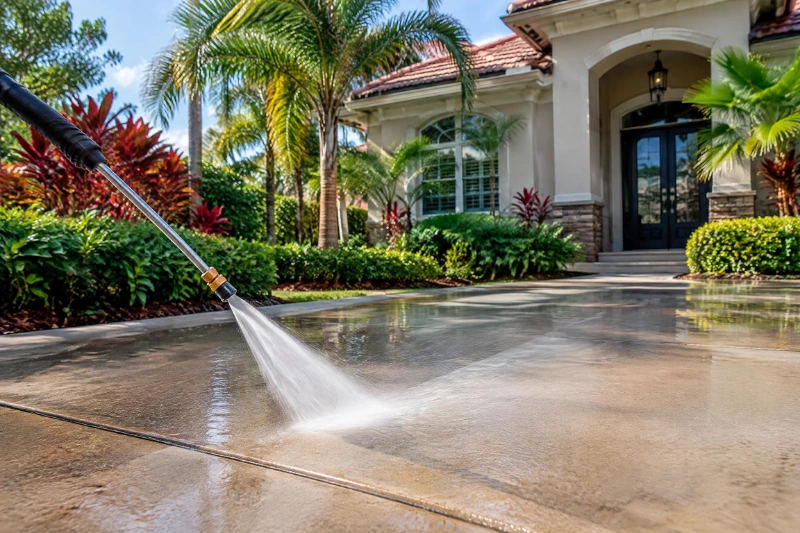
Driveway Pressure Washing
Driveways collect dirt, algae, tire marks, and other buildup. Professional cleaning helps restore the appearance of the surface.
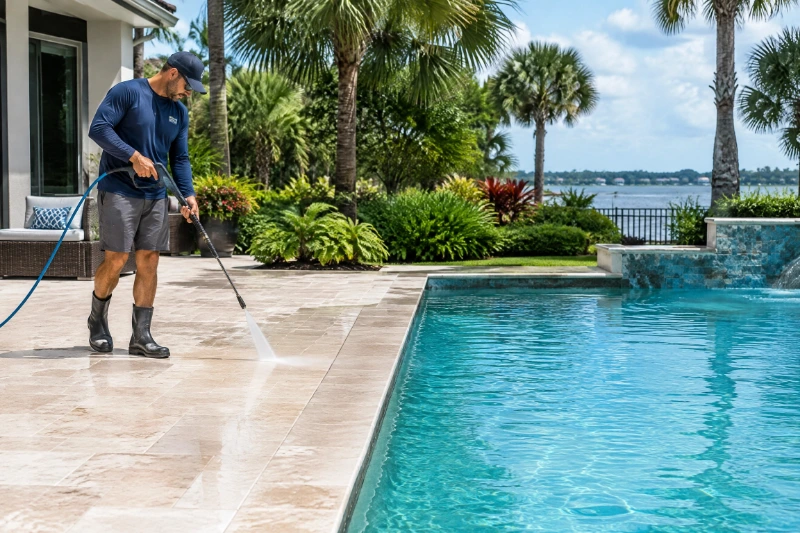
Pool Deck Cleaning
Pool decks face water, dirt, and outdoor buildup. Cleaning helps keep the area looking well-maintained.
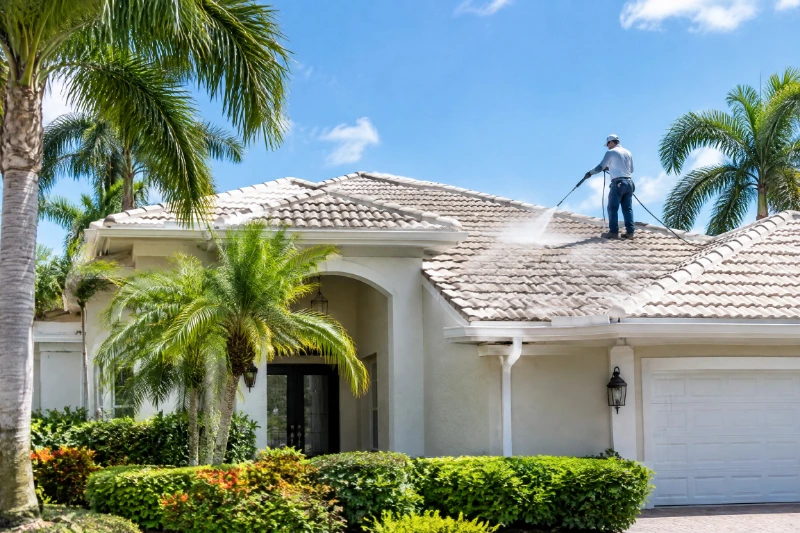
Roof Soft Washing
Roof surfaces can develop organic growth and discoloration. Soft washing is used for suitable roof materials.
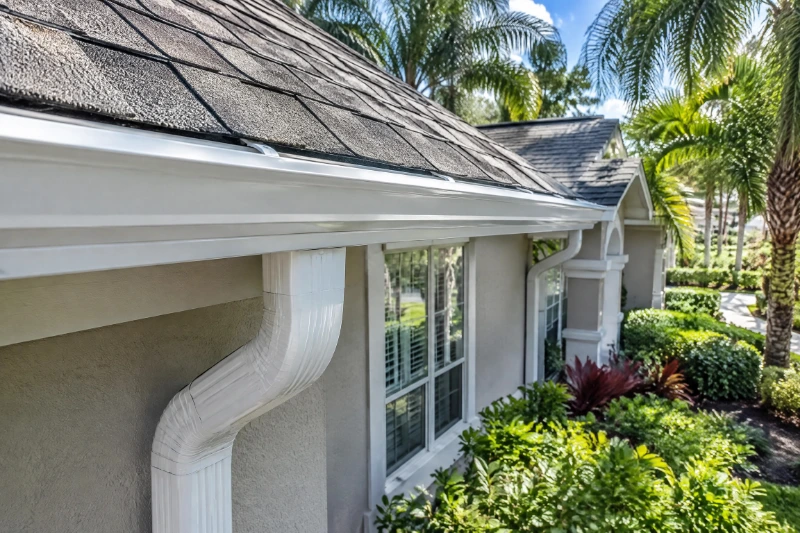
Gutter Cleaning
Leaves, pine needles, dirt, and other debris can collect inside gutters and downspouts. Gutter cleaning removes this buildup and helps keep the drainage system working properly.
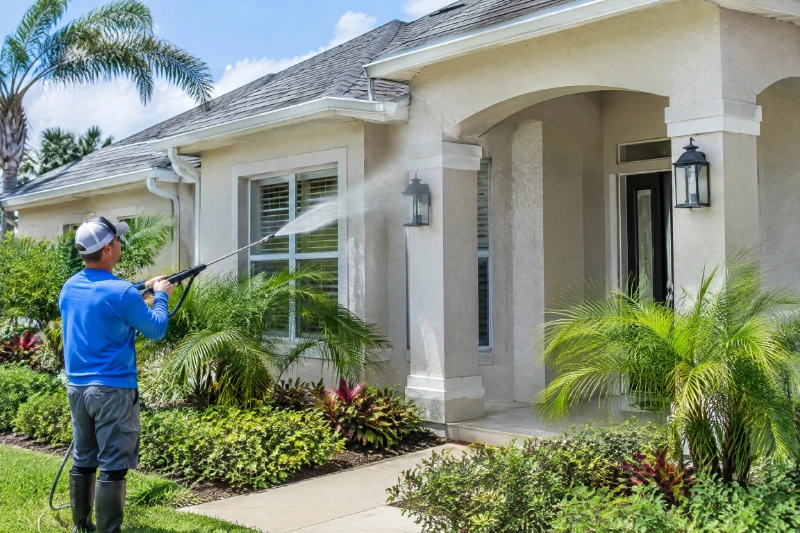
House Washing
Exterior walls collect pollen, dust, mildew, algae, and general outdoor grime. House washing cleans suitable siding, brick, stucco, and other exterior materials using the appropriate method.
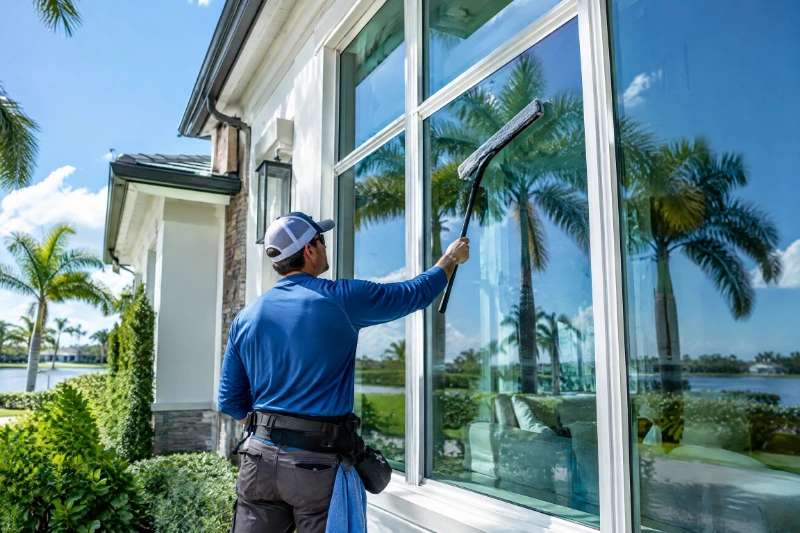
Window Cleaning
Exterior windows can collect pollen, dust, water spots, and other residue. Professional window cleaning helps improve glass clarity and the appearance of the home’s exterior.
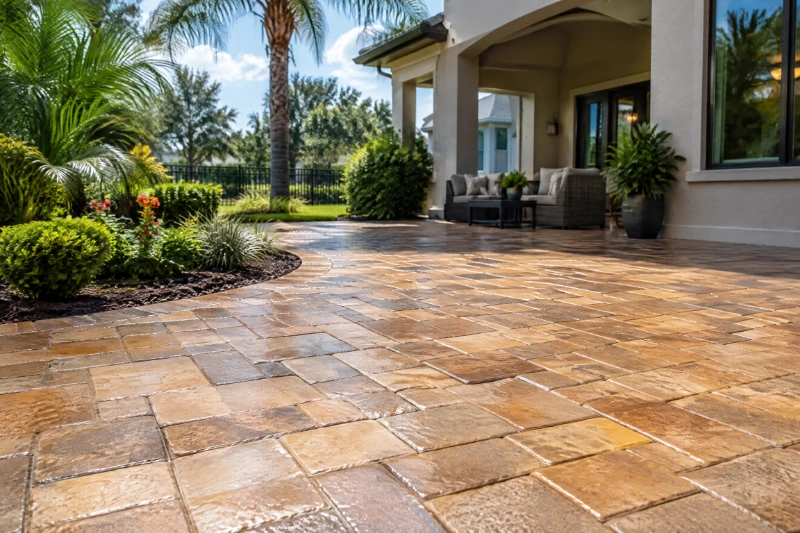
Paver Sealing
Paver sealing protects suitable paver surfaces after proper cleaning and preparation. It can help maintain color, reduce moisture absorption, and protect joint sand.
Fence Pressure Washing FAQ
Can I pressure wash a wood fence?
Yes, but wood requires controlled, lower-pressure cleaning. Excessive pressure can damage wood fibers, create a rough surface, or leave visible marks.
What PSI is safe for vinyl?
No single PSI works for every vinyl fence. A lower-pressure setting with a wider spray pattern is generally preferable to aggressive, concentrated pressure. Also consider the fence’s age and condition.
Will pressure washing remove old fence stain?
Pressure washing can remove some loose, faded, or deteriorated stain, but it may not remove all old stain evenly. A wood fence may require additional preparation before applying a new finish.
How long before I can stain my fence after washing?
The fence needs to dry sufficiently before staining. Drying time depends on the weather, wood type, humidity, sunlight, and the fence’s condition. Follow the stain manufacturer’s moisture requirements.
Can pressure washing remove algae from a fence?
Yes. Pressure washing combined with an appropriate cleaning solution can remove many types of surface algae and organic buildup. Recurring growth can return when moisture and shade remain.
Should I pressure wash a painted fence?
You can clean a painted fence, but you must adjust the pressure to avoid removing sound paint or worsening areas where the coating is already peeling.
Can pressure washing damage plants near my fence?
Water pressure and cleaning solutions can damage delicate plants. Protect nearby landscaping, and control chemical runoff during cleaning.
Request Your Fence Cleaning Estimate
Bring your fence back to life with a fast, free pressure washing estimate.
Request a Free Quote