Paver Sealing in Jacksonville, FL
Jacksonville’s strong sun, high humidity, heavy rain, and daily traffic can wear down unsealed pavers. Professional paver sealing helps protect the pavers while keeping the area clean, even, and well-maintained. Paver sealing rounds out Jacks Exterior Cleaning’s full service lineup.
Whether you have a driveway, patio, pool deck, or walkway, the right paver sealer can add a protective layer without changing the surface’s natural character.
Why Paver Sealing Matters in Florida
Florida weather constantly stresses outdoor pavers. Strong UV exposure can fade darker colors, while frequent rain and humidity keep the surface exposed to moisture.
Paver sealing can help:
- Reduce color fading from UV exposure
- Limit moisture absorption
- Protect against common stains
- Help hold joint sand in place
- Reduce organic growth in the joints
- Make routine cleaning easier
- Preserve the finished appearance of the pavers
Sealing does not make pavers maintenance-free, but it can provide useful protection against Jacksonville’s outdoor conditions.
Does Sealing Require Cleaning First?
Yes. Clean pavers properly before applying sealer.
Dirt, algae, stains, loose material, and organic growth can prevent the sealer from bonding evenly. The pavers also need enough time to dry completely before sealing.
For this reason, the usual preparation includes paver cleaning, stain treatment, joint inspection, and complete drying. Applying sealer over a dirty or damp surface can lead to uneven color, cloudy areas, or poor adhesion.
Types of Paver Sealers
Different pavers and outdoor areas can require different sealing products. The three common categories include acrylic, polymer- or urethane-based products, and penetrating sealers.
Acrylic Paver Sealer
Acrylic sealers are commonly used when homeowners want to enhance paver color. They can provide a wet-look, satin, or similar decorative finish.
Pros
- Enhances color
- Available in different finishes
- Provides surface protection
Cons
- Can require more maintenance in strong sun
- Incorrect application can leave visible marks
- Not every acrylic product is suitable for every surface
Polymer or Urethane Sealer
Polymer and urethane-based sealers can provide stronger surface protection and good resistance to traffic and staining when the correct product is used. They may suit areas with regular foot traffic or vehicle use, but product selection and application conditions matter.
Penetrating Sealer
Penetrating sealers soak into the paver rather than creating a strong visible film on top. They are useful when maintaining a more natural appearance is the priority. They generally do not provide the same color enhancement as many film-forming products.
Wet Look, Satin, or Natural: Choosing a Finish
The finish affects how your pavers look after sealing.
- Wet look: Brings out deeper colors and gives the pavers a richer appearance.
- Satin: Adds some color enhancement without the stronger shine associated with a wet-look finish.
- Natural: Keeps the original appearance closer to its untreated look while providing protection.
The best choice depends on the paver material, existing color, location, and the appearance you want.
What Shortens Sealer Lifespan in Florida?
Paver sealer does not last the same amount of time on every property. Jacksonville’s climate can shorten its service life, especially when several factors work together.
Common causes include:
- Direct and intense UV exposure
- Frequent sprinkler water
- Standing water
- Heavy foot traffic
- Vehicle traffic
- Poor surface preparation
- Applying sealer to damp pavers
- Using the wrong product for the surface
- Harsh cleaning chemicals
A shaded patio may keep its finish longer than a driveway exposed to direct sunlight and daily vehicle traffic.
How Long Does Paver Sealing Last?
A quality paver sealing job can often last around 2 to 4 years, but the actual lifespan depends on the surface and local conditions. Driveways usually experience more wear from vehicles, tires, oil, and sunlight. Pool decks deal with water, chemicals, and frequent foot traffic. Covered patios may have less exposure to UV rays and rain. Regular maintenance and proper preparation can extend the sealer’s useful life.
Best Time of Year to Seal Pavers in Jacksonville
Paver sealing works best during a suitable stretch of dry weather.
The surface should be clean and fully dry before application, and the sealer needs enough time to cure without heavy rain. High humidity can also affect drying and curing.
Before sealing, check the local forecast for rain, temperature, and moisture conditions. A dry weather window is more important than choosing one specific month.
Signs It’s Time to Reseal
Your pavers may need another coat when you notice:
- Color looks faded or dull
- Water stops beading on the surface
- Stains absorb more quickly
- Joint sand is becoming loose
- Weeds or organic growth appear in joints
- The previous sealer is visibly wearing away
- The surface looks uneven compared with previously sealed areas
Resealing before the existing protection fully fails can make maintenance easier.
The Paver Sealing Process
A proper paver sealing service starts with preparation, not immediately applying the product.
Clean the Pavers
Remove dirt, stains, algae, and other surface buildup.
Allow the Surface to Dry
Pavers and joints need enough drying time before applying sealer.
Inspect and Re-Sand Joints
Replace loose or missing joint sand before sealing. Address damaged areas as needed.
Apply the Sealer
Apply the appropriate sealer evenly across the prepared surface. Coverage and application method depend on the product and paver material.
Allow Proper Cure Time
The area needs to remain undisturbed while the sealer cures. Walking or driving on the surface too soon can damage the finish.
How Often Should You Reseal?
Many Jacksonville properties benefit from resealing every 2 to 4 years. However, no single schedule fits every paver surface.
A driveway exposed to full sun and regular vehicle traffic may need attention sooner than a covered patio. Pool decks, walkways, and shaded areas also wear differently.
Regularly inspecting the surface is a better approach than resealing strictly by the calendar.
Simple Habits That Extend Sealer Life
A few basic habits can help protect sealed pavers:
- Sweep loose dirt regularly
- Clean spills as soon as possible
- Remove leaves and organic debris
- Keep sprinkler water from constantly hitting the pavers
- Avoid harsh chemicals
- Do not let oil and other stains sit for long periods
- Follow recommended cleaning methods for the sealer
Good maintenance helps reduce unnecessary wear between sealing services.
How Much Does Paver Sealing Cost?
Paver sealing prices vary from property to property. Square footage is a main factor, but not the only one. The final price can depend on:
- Total surface area
- Type of pavers
- Sealer type
- Condition of the surface
- Amount of cleaning required
- Stain removal
- Joint sanding or repair
- Number of coats required
- Access to the work area
A property with heavily weathered pavers may require more preparation than a recently installed surface. For an accurate price, we should assess the surface before work begins.
What Surfaces Can Be Sealed?
Paver sealing can be used on many outdoor hardscape surfaces when the material and condition are suitable. Common applications include:
- Paver driveways
- Paver patios
- Pool decks
- Walkways
- Outdoor entertaining areas
- Concrete pavers
- Brick pavers
- Travertine and other suitable stone surfaces
Always select the sealer for the specific surface. Not every product suits every type of paver or natural stone.
Why Jacksonville Homeowners Choose Us for Paver Sealing
A locally owned pressure washing company built on clear pricing, careful work, and reliable scheduling for Jacksonville homes and businesses.
More Residential Services
Explore our other exterior cleaning services for Jacksonville homes.
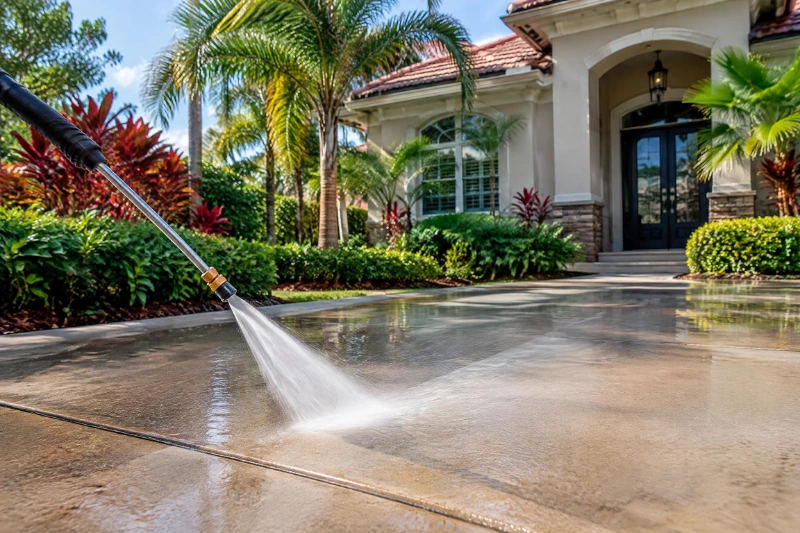
Driveway Pressure Washing
Driveways collect dirt, algae, tire marks, and other buildup. Professional cleaning helps restore the appearance of the surface.
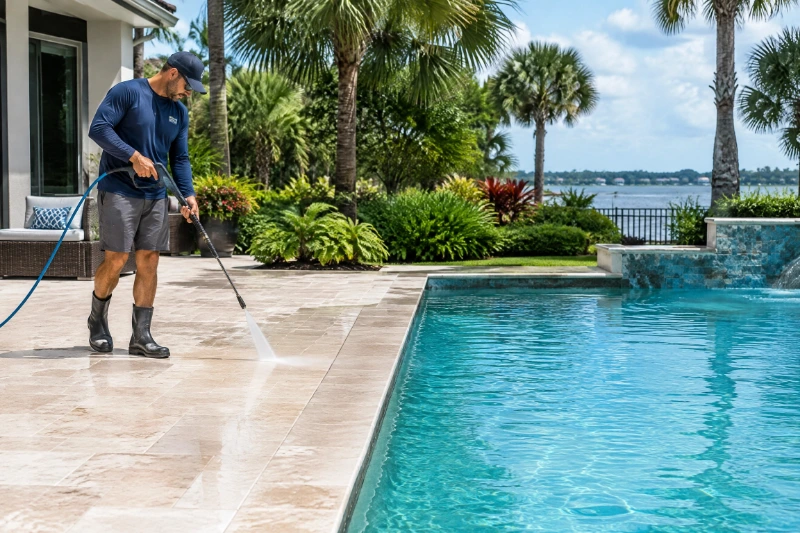
Pool Deck Cleaning
Pool decks face water, dirt, and outdoor buildup. Cleaning helps keep the area looking well-maintained.
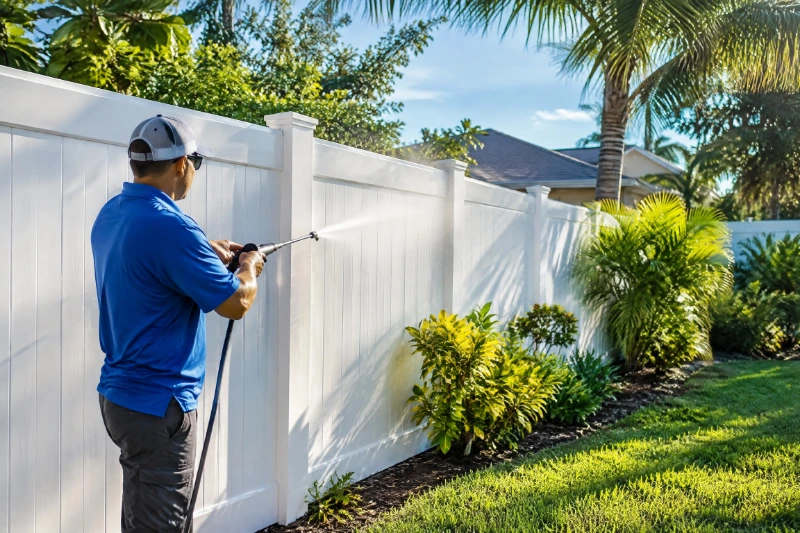
Fence Pressure Washing
Fence surfaces collect dirt, algae, and weather-related buildup. The right method helps refresh their appearance.
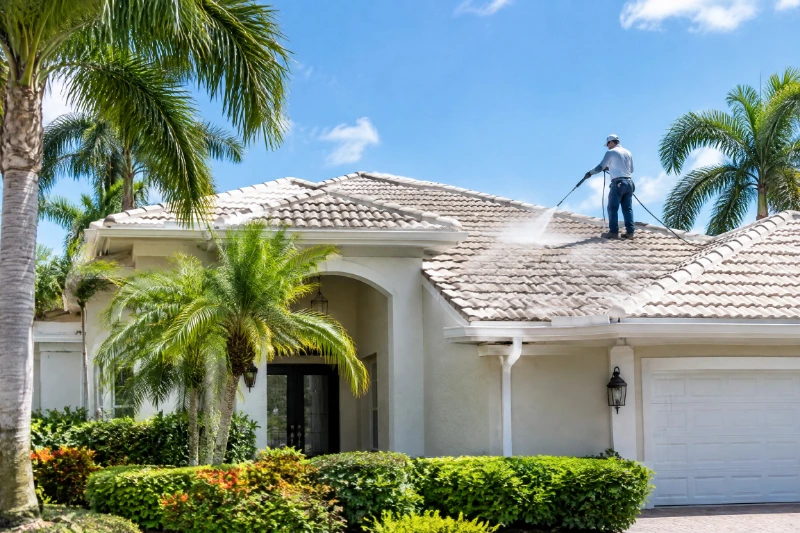
Roof Soft Washing
Roof surfaces can develop organic growth and discoloration. Soft washing is used for suitable roof materials.
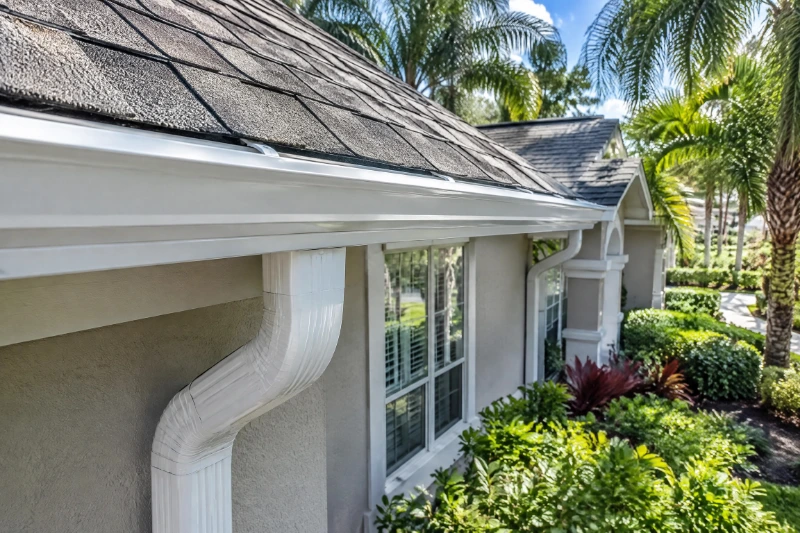
Gutter Cleaning
Leaves, pine needles, dirt, and other debris can collect inside gutters and downspouts. Gutter cleaning removes this buildup and helps keep the drainage system working properly.
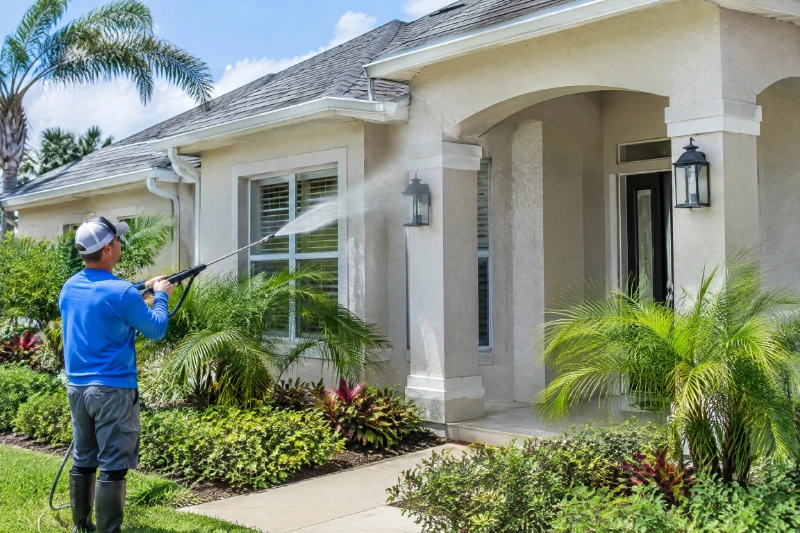
House Washing
Exterior walls collect pollen, dust, mildew, algae, and general outdoor grime. House washing cleans suitable siding, brick, stucco, and other exterior materials using the appropriate method.
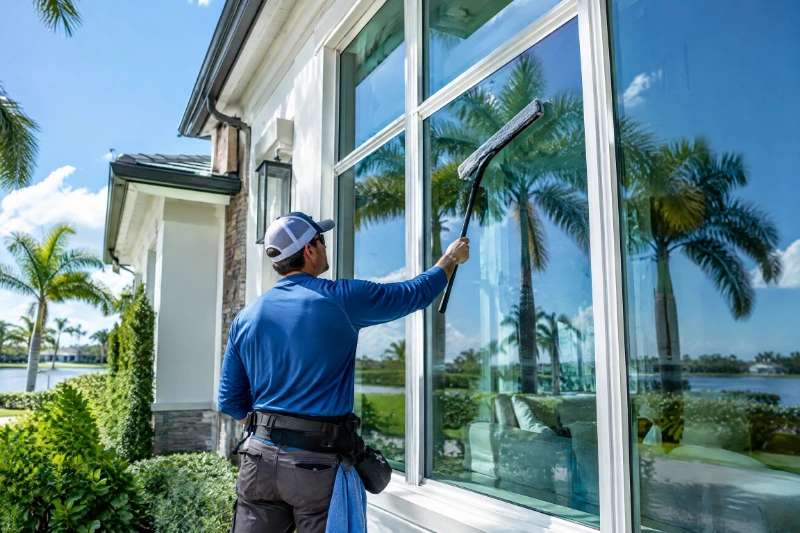
Window Cleaning
Exterior windows can collect pollen, dust, water spots, and other residue. Professional window cleaning helps improve glass clarity and the appearance of the home’s exterior.
Paver Sealing FAQ
How do I know if my pavers need sealing?
Look for faded color, reduced water beading, loose joint sand, stains that absorb quickly, or visible wear in the existing sealer.
How long does paver sealing take?
The time depends on the area’s size and condition. Cleaning and drying can take as much time as the sealing itself, especially when the pavers need extensive preparation.
Can I walk or drive on sealed pavers right away?
No. The sealer needs time to cure. The required waiting period depends on the product, weather, temperature, and surface conditions.
Does sealing stop weeds from growing between pavers?
Sealing can help stabilize joint sand and reduce conditions that support weed growth, but it doesn’t guarantee weeds will never return. Address existing weeds and damaged joints before sealing.
What if my pavers get stained after sealing?
Clean spills as soon as possible using a method that is safe for the sealer. Some stains can still penetrate or discolor the surface, so quick cleanup is important.
Get a Free Paver Sealing Estimate in Jacksonville
Protect and refresh your pavers with a fast, free sealing estimate.
Contact Us Today