Roof Soft Washing in Jacksonville, FL
Roof soft washing removes organic buildup using low-pressure water and a suitable cleaning solution. Unlike high-pressure cleaning, soft washing cleans the roof without aggressive water pressure that can damage roofing materials. Roof soft washing is one of several exterior cleaning services offered by Jacks Exterior Cleaning.
A properly cleaned roof can improve curb appeal and help maintain the roof’s appearance and condition.
What Is Roof Soft Washing?
Soft washing is a roof-cleaning method that combines a cleaning solution with controlled, low-pressure water.
Instead of blasting algae, moss, or lichen away with high pressure, the cleaning solution helps break down the organic growth. The loosened material can then be rinsed from the roof with much less mechanical force. This makes soft washing particularly useful for roofing materials that can be damaged by aggressive pressure.
The process generally involves:
- Roof inspection
- Protecting nearby property
- Applying an appropriate cleaning solution
- Allowing the solution to work
- Low-pressure rinsing
- Final inspection
Select the exact solution and process based on the roofing material and the manufacturer’s recommendations.
Why Soft Washing Is Used Instead of Pressure Washing on Roofs
A roof is not the same as a concrete driveway or other hard surface.
High-pressure water can damage asphalt shingles, remove protective granules, force water beneath roofing materials, or affect delicate finishes. On tile and other roofing materials, concentrated pressure can also cause cracking or surface damage.
Soft washing reduces the need for aggressive mechanical pressure by allowing the cleaning solution to do much of the work. For residential roofs, the objective is effective cleaning with minimal physical force.
This is why professional roof cleaners generally use a low-pressure soft-washing approach rather than treating the roof like a flat concrete surface.
Will Soft Washing Damage My Roof or Void the Warranty?
A properly performed soft wash should be designed around the roofing material and its condition. However, no roof-cleaning method should be treated as completely risk-free.
Old, brittle, damaged, or improperly installed roofing may have existing weaknesses that become apparent during cleaning.
Before cleaning, the roof should be inspected for:
- Missing shingles
- Cracked tiles
- Loose materials
- Exposed underlayment
- Damaged flashing
- Existing leaks
- Brittle or deteriorated roofing
What About the Roof Warranty?
Roof warranties vary by manufacturer and roofing system. Some manufacturers provide specific cleaning recommendations or restrictions.
If your roof is under warranty, check the manufacturer’s maintenance instructions before scheduling cleaning. A professional should also follow the recommended cleaning method for the specific roofing material.
Don’t assume soft washing automatically preserves every roof warranty. The product, process, application, and roofing manufacturer’s requirements all matter.
Roof Materials and How Cleaning Differs
Different roofing materials require different cleaning practices.
Asphalt Shingles
Asphalt shingles are common on residential homes and can develop black streaks caused by algae. Do not clean them with aggressive pressure, as high-pressure water can damage shingles and remove granules. A properly controlled soft-washing process is generally more appropriate for removing organic staining from asphalt shingles.
Tile Roofs
Concrete and clay tiles can develop algae, moss, lichen, dirt, and other buildup. Tiles can be strong but are also vulnerable to cracking, especially when old or walked on incorrectly. Cleaning should minimize unnecessary pressure and foot traffic.
Metal Roofing
Metal roofs can collect dirt, pollen, algae, and other surface contaminants. Painted and coated metal roofing requires attention to the finish. Strong chemicals or excessive pressure can damage coatings, so the cleaning method should match the roof’s finish.
Slate Roofing
Slate is a natural stone roofing material that can be damaged by improper handling and unnecessary foot traffic. Where slate roofing is present, cleaning should follow the roofing manufacturer’s or qualified roofing professional’s recommendations.
What Causes Roof Staining?
Roof discoloration is not always ordinary dirt.
Algae
Algae can create black, gray, or dark streaks on shingles. It is one of the most common causes of roof staining in warm, humid areas.
Moss
Moss grows where moisture remains available for longer periods. It can be especially common on shaded roof sections.
Lichen
Lichen is a combination of a fungus and a photosynthetic partner. It can attach firmly to roofing materials and may require careful treatment.
Why Does This Happen in Jacksonville?
Jacksonville’s warm temperatures, humidity, rainfall, and shaded areas can create conditions where organic growth develops on roofs.
Trees close to a home can also contribute leaves, pollen, and shade, increasing moisture and debris around the roof.
The Roof Soft Washing Process
Inspect the Roof
The roof is checked for its material, staining, organic growth, visible damage, drainage areas, flashing, and other conditions that could affect the cleaning process.
Protect Plants and Property
Protect nearby landscaping, exterior walls, windows, outdoor furniture, and other vulnerable areas as needed. Water and protect plants based on the cleaning product used.
Apply the Cleaning Solution
Apply the appropriate roof-cleaning solution evenly to affected areas. The solution should be compatible with the roofing material and used according to its product instructions.
Allow Proper Dwell Time
The solution needs time to work on algae, moss, lichen, and other organic buildup. The required dwell time depends on the product, weather conditions, and growth severity.
Rinse With Low Pressure
After treatment, you can rinse the roof with controlled, low-pressure water. The goal is to remove loosened contaminants without relying on aggressive pressure.
Inspect the Roof
Check the finished roof for remaining stains, organic growth, missed areas, and any conditions that require additional treatment.
Protecting Plants, Pets, and Property
Roof cleaning involves cleaning solutions, runoff, and water moving from an elevated surface. Proper preparation helps reduce unwanted exposure.
Important precautions include:
- Protecting nearby plants
- Managing runoff
- Keeping pets away from the work area
- Protecting outdoor furniture
- Closing windows and doors during cleaning
- Avoiding unnecessary chemical overspray
- Protecting sensitive exterior surfaces
- Following product safety instructions
Keep pets and children away from the work area until cleaning is complete and the area is safe for normal use.
How Long Does a Soft-Washed Roof Stay Clean?
There is no guaranteed period because roof growth depends on the local environment. A roof surrounded by trees and shade may develop organic growth sooner than a roof exposed to more direct sunlight.
Factors include:
- Humidity
- Rainfall
- Shade
- Tree coverage
- Roof orientation
- Existing organic growth
- Roof material
- Drainage
Soft washing removes existing growth, but it cannot prevent new growth indefinitely.
Signs Your Roof Needs Soft Washing
Look for visible changes on the roof, including:
- Black or dark streaks
- Green patches
- Moss growth
- Lichen buildup
- Uneven roof discoloration
- Dirt and organic debris
- Heavy staining on shaded roof sections
If organic growth is spreading across the roof, cleaning sooner may prevent the buildup from becoming more difficult to manage.
DIY vs. Professional Roof Soft Washing
Roof cleaning is different from washing a ground-level surface. Working at height creates fall risks, while cleaning chemicals create additional handling and runoff concerns. Walking on some roofing materials can also cause damage.
DIY cleaning can lead to:
- Falls and serious injuries
- Damaged shingles or tiles
- Removed shingle granules
- Broken tiles
- Chemical exposure
- Plant damage
- Uncontrolled runoff
- Warranty concerns
Professional roof soft washing reduces the need for high-pressure cleaning and lets you plan the process around the roofing material and property.
How Much Does Roof Soft Washing Cost?
Roof soft-washing prices vary by property. Factors that can affect the cost include:
- Roof size
- Roof pitch
- Roofing material
- Amount of algae or moss
- Level of staining
- Roof accessibility
- Surrounding landscaping
- Property height
- Additional protection or treatment requirements
A small, accessible roof with light staining requires less work than a large, steep roof with extensive organic growth. For an accurate price, we should assess the roof and surrounding property before cleaning.
Why Jacksonville Homeowners Choose Us for Roof Cleaning
A locally owned pressure washing company built on clear pricing, careful work, and reliable scheduling for Jacksonville homes and businesses.
More Residential Services
Explore our other exterior cleaning services for Jacksonville homes.
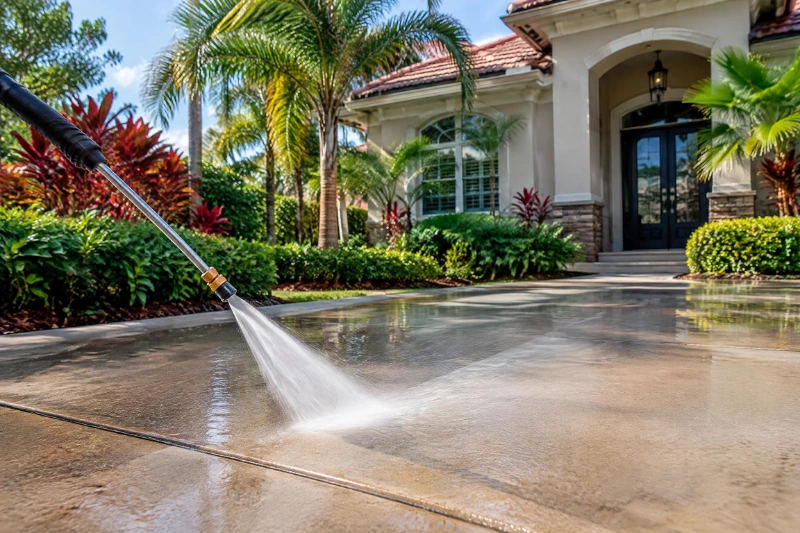
Driveway Pressure Washing
Driveways collect dirt, algae, tire marks, and other buildup. Professional cleaning helps restore the appearance of the surface.
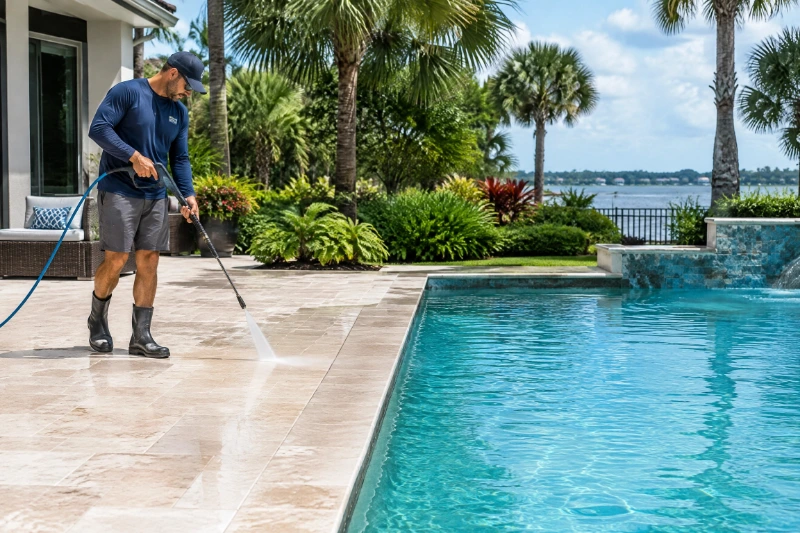
Pool Deck Cleaning
Pool decks face water, dirt, and outdoor buildup. Cleaning helps keep the area looking well-maintained.
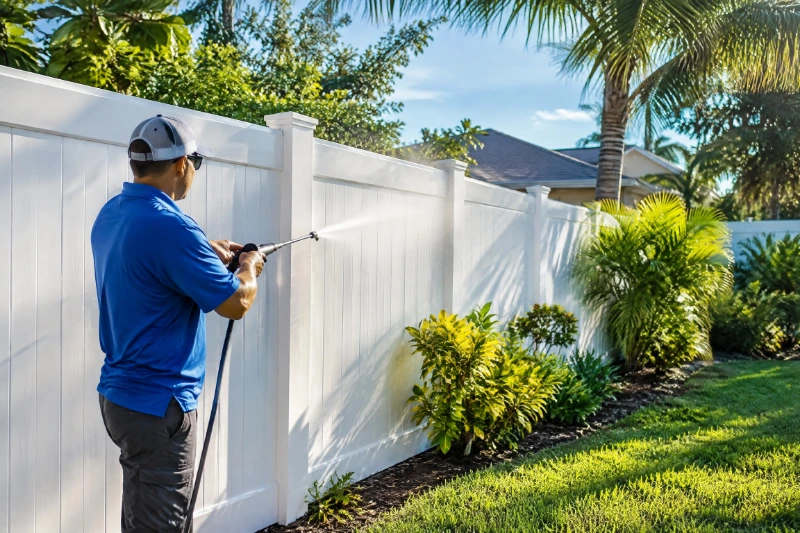
Fence Pressure Washing
Fence surfaces collect dirt, algae, and weather-related buildup. The right method helps refresh their appearance.
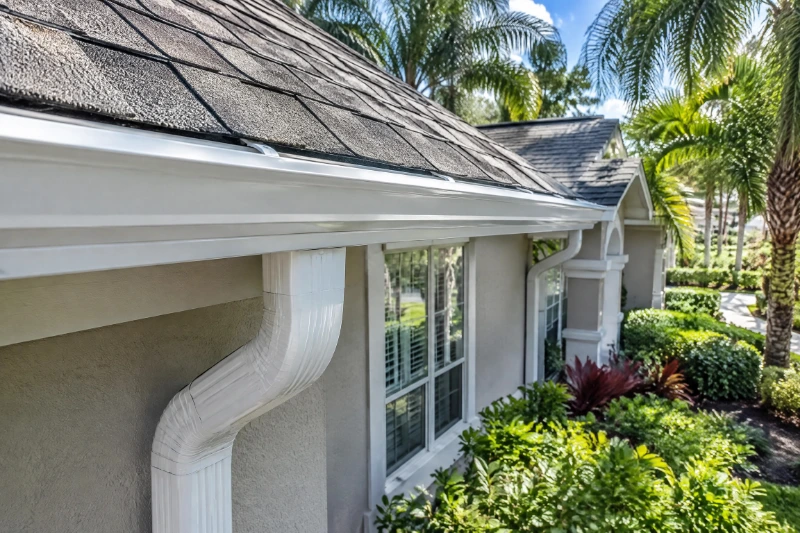
Gutter Cleaning
Leaves, pine needles, dirt, and other debris can collect inside gutters and downspouts. Gutter cleaning removes this buildup and helps keep the drainage system working properly.
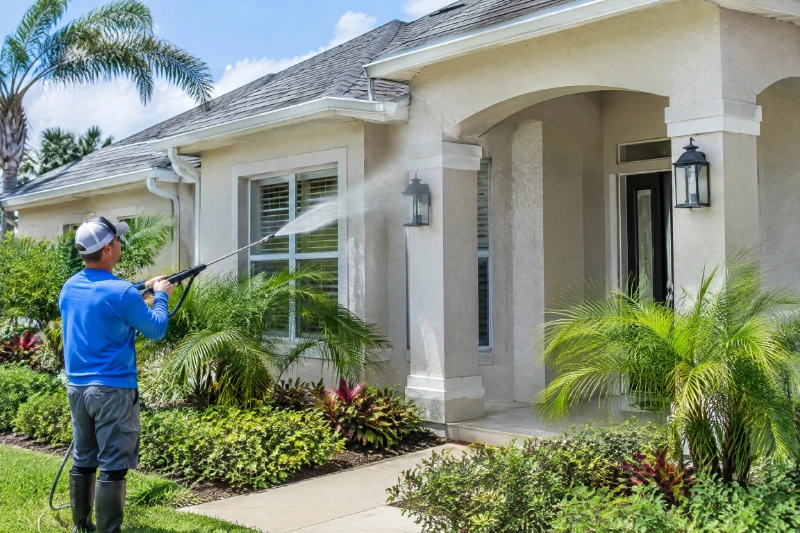
House Washing
Exterior walls collect pollen, dust, mildew, algae, and general outdoor grime. House washing cleans suitable siding, brick, stucco, and other exterior materials using the appropriate method.
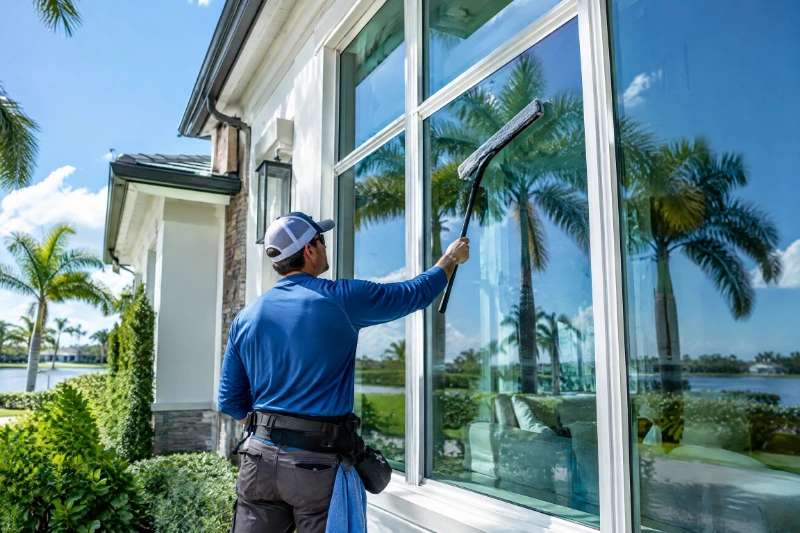
Window Cleaning
Exterior windows can collect pollen, dust, water spots, and other residue. Professional window cleaning helps improve glass clarity and the appearance of the home’s exterior.
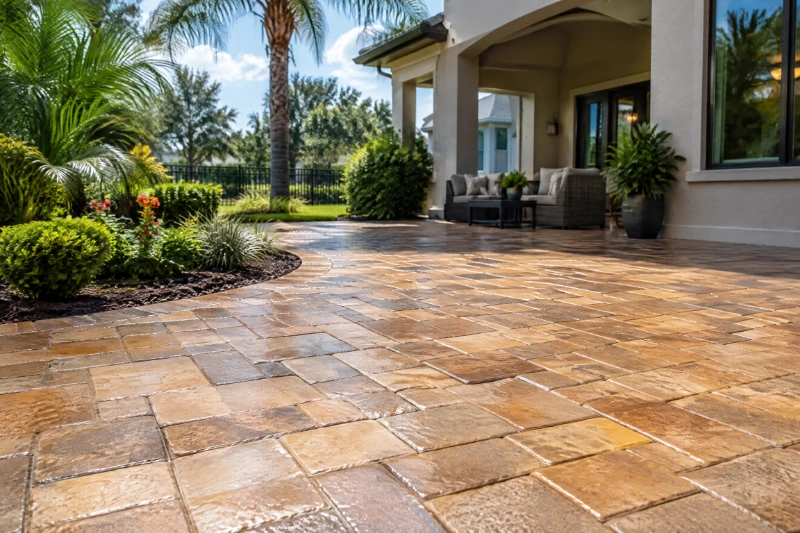
Paver Sealing
Paver sealing protects suitable paver surfaces after proper cleaning and preparation. It can help maintain color, reduce moisture absorption, and protect joint sand.
Roof Soft Washing FAQ
Will roof soft washing damage my landscaping?
Cleaning solutions can affect plants if they are not properly protected. Professional roof cleaning should include appropriate precautions for nearby landscaping, including controlling overspray and runoff.
Do you need to walk on my roof?
Not necessarily. A soft-washing process can often be performed while minimizing foot traffic on the roof. Whether roof access is required depends on the roof design, equipment, roof pitch, and cleaning requirements.
How is roof soft washing different from pressure washing?
Soft washing uses a cleaning solution and low water pressure to remove organic buildup. Pressure washing relies more heavily on mechanical water pressure. High pressure can be unsuitable for many roofing materials because it may damage shingles, coatings, or other roof components.
Is roof soft washing safe for asphalt shingles?
A properly selected and controlled cleaning method can be appropriate for asphalt shingles. Avoid high-pressure cleaning because it can damage shingles and remove protective granules. Always consider the shingle manufacturer’s cleaning recommendations.
Request a Free Roof Cleaning Estimate
Restore your roof’s curb appeal with a fast, free soft-washing estimate.
Request a Free Quote